
Real Estate
New Philadelphia Property Assessments Are Coming. Here’s What Homeowners Need to Know
June 30, 2026 By Josh McKnight | The McKnight Team Philadelphia homeowners are about to get new property assessments in

June 30, 2026 By Josh McKnight | The McKnight Team Philadelphia homeowners are about to get new property assessments in
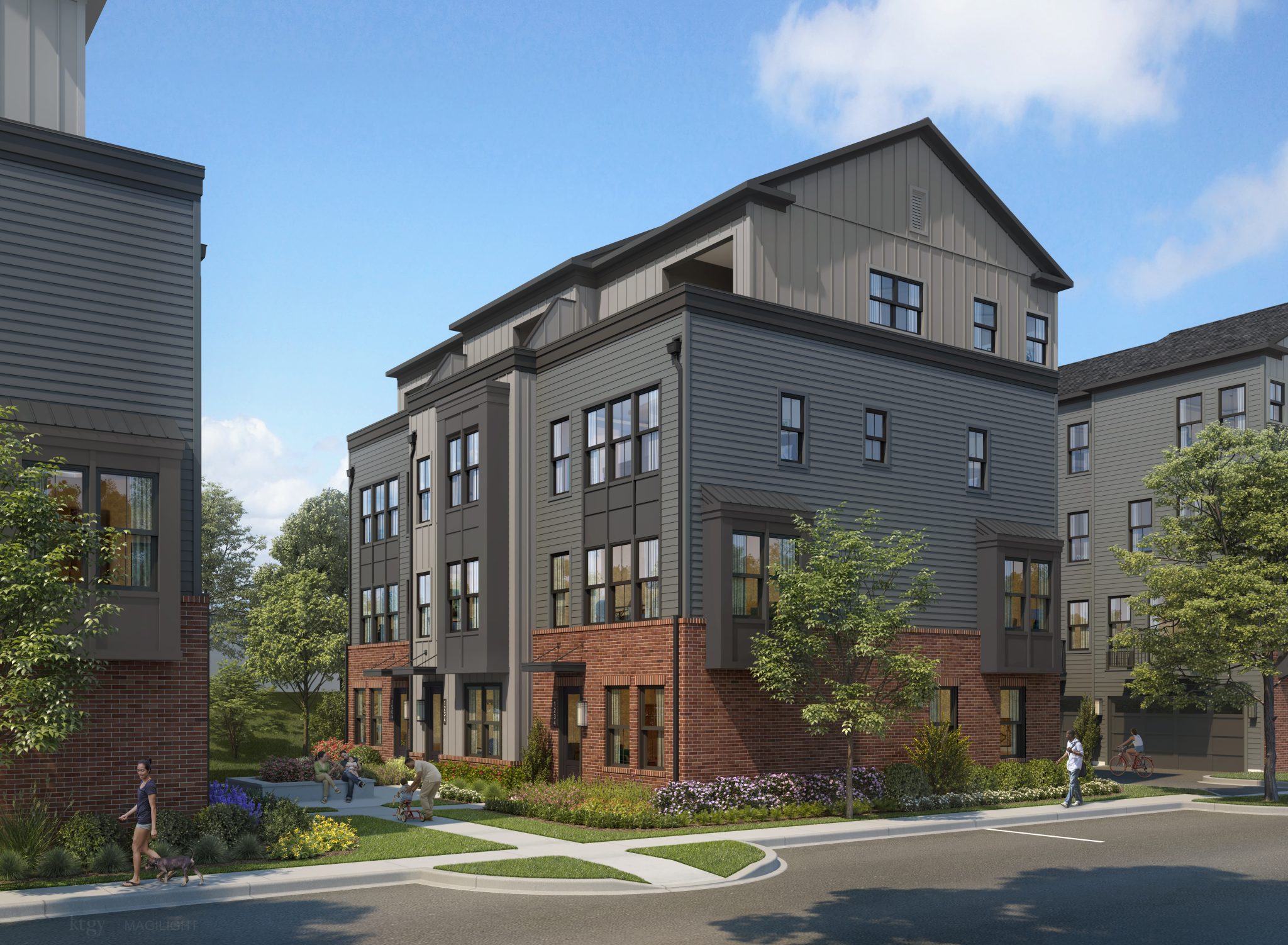
By Josh McKnight | The McKnight Team June 30, 2026 Toll Brothers just announced plans for a new community of

Before you list, you want to know the real cost to sell a house in Pennsylvania. The headline number is
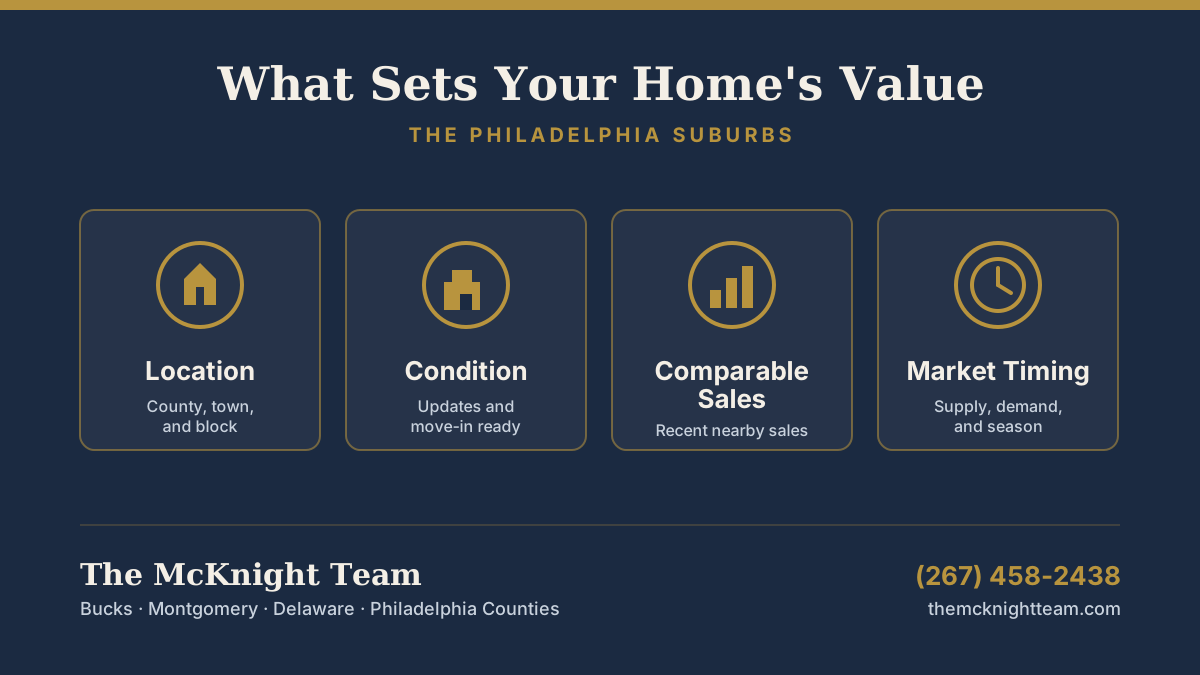
If you are asking what’s my home worth in the Philadelphia suburbs, you are asking the right question at the
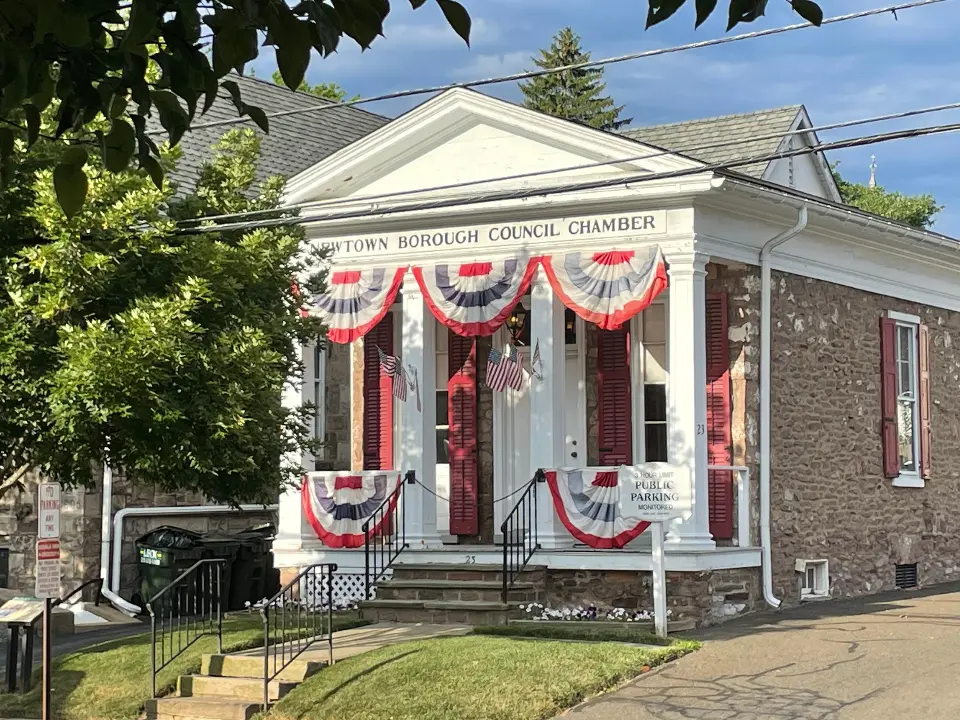
June 20, 2026 By Josh McKnight | The McKnight Team If you own a home in Newtown Borough, a recent

Saying that shopping for a home can be overwhelming is an understatement. You must consider various factors, including location, neighborhood,
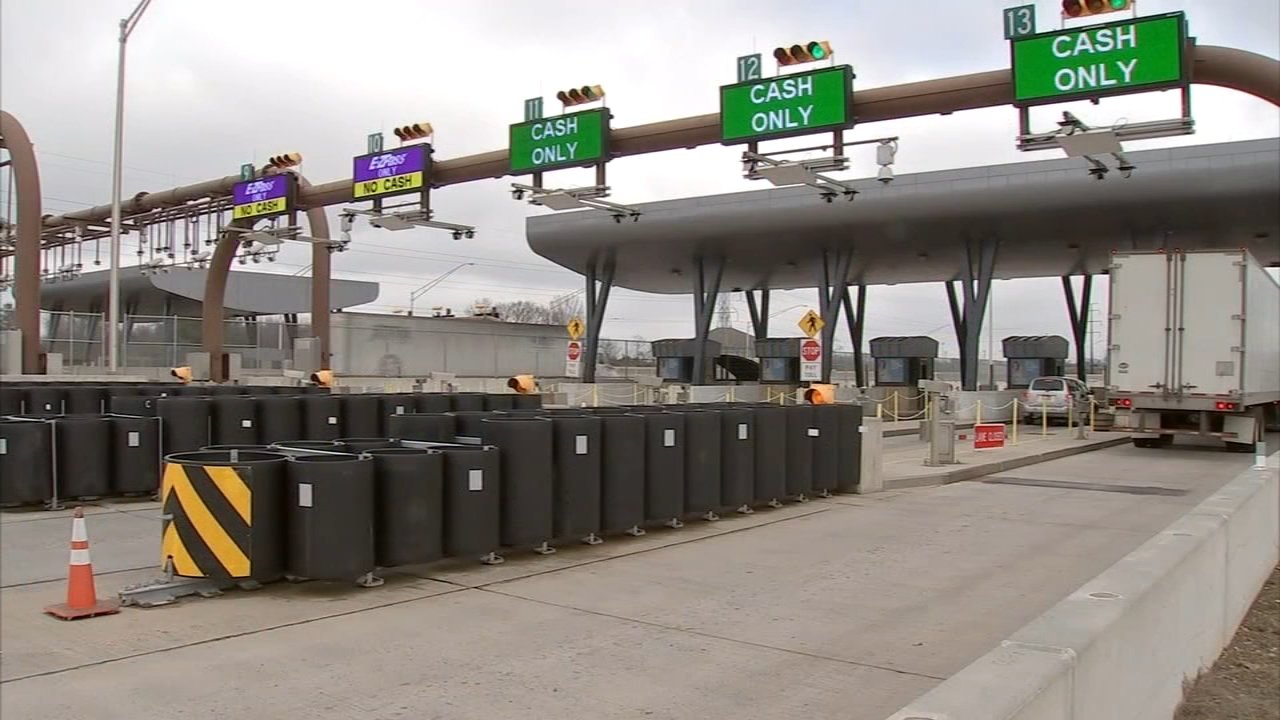
Bucks County, PA – Commuters traveling between Pennsylvania and New Jersey may soon face higher costs, as the Delaware River
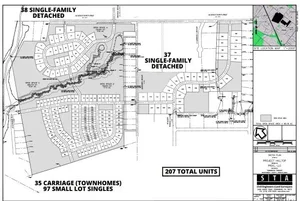
By Josh McKnight | The McKnight Team The former Freddy Hill Farms property in Towamencin Township is moving toward redevelopment,

By Josh McKnight | The McKnight Team A developer wants to build more than 4.6 million square feet of data
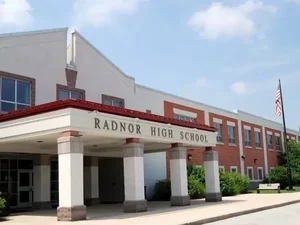
By Josh McKnight | The McKnight Team The Radnor Township School Board approved its 2026-2027 budget with a 3.36 percent

By Josh McKnight | The McKnight Team Philadelphia City Council is moving a $7.1 billion budget toward approval, and it

By Josh McKnight | The McKnight Team Montgomery County just put out its first housing blueprint, a 20-page plan built
Compare listings
Compare