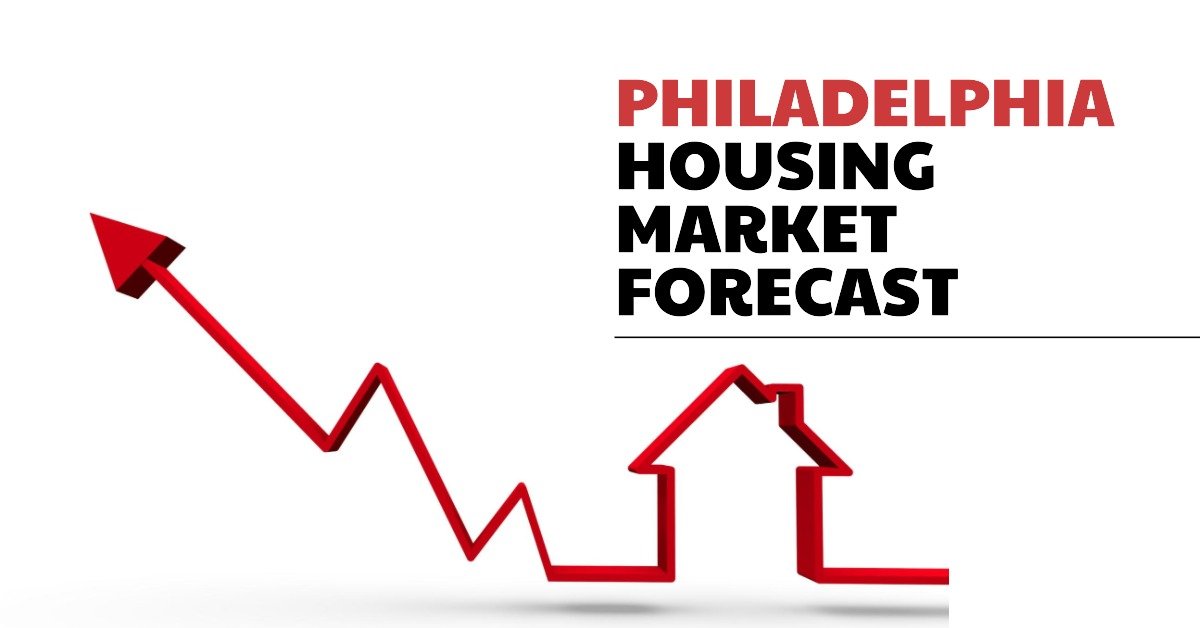
Philadelphia’s housing market is expected to remain challenging through 2026, with affordability continuing to be a major concern for both renters and homebuyers. Economic analysts project that elevated home prices and higher mortgage rates will keep inventory tight and limit movement across the market.
Limited Inventory and Reduced Mobility
According to housing economists, one of the biggest pressures on the Philadelphia real estate market is reduced mobility. Homeowners and renters alike are staying in their current homes longer than in previous years, largely because the cost of moving has become prohibitively expensive. With mortgage rates still well above historic lows, many homeowners are reluctant to sell and give up favorable financing terms.
This lack of turnover has contributed to a persistent shortage of available homes, particularly in price ranges accessible to first-time buyers and middle-income households.
Affordability Challenges for Buyers
For renters hoping to transition into homeownership, the barriers remain significant. Rising home prices, combined with higher borrowing costs, have made saving for down payments and qualifying for mortgages increasingly difficult. Economists suggest this affordability gap is unlikely to ease in the near term, especially as new residential construction remains skewed toward higher-end properties.
Growth in Luxury and High-End Housing
While affordable housing supply lags, luxury development has expanded across the region. Over the past five years, the number of homes selling for $1 million or more in the Philadelphia area has increased dramatically compared to pre-2019 levels. Housing researchers warn that this concentration of high-end development could place additional upward pressure on prices across the broader market.
Experts note that this “mini bubble” at the top of the market may affect not only first-time buyers but also existing homeowners looking to upgrade, as price increases ripple outward.
Source: PlanPhilly; 12/22/2025